Wednesday, 12 June 2013

Fresh spring detox tea

Spring is finally in full bloom. The fresh light green to yellow leaves are everywhere, including the colors of blossoms and spring flowers. Did you know that many plants can be eaten - and are the tastiest - when you pick the juicy young shoots? Think of green beans, fenugreek, hop or the most famous spring vegetable: asparagus. Nowadays one can buy sprouts, or the seeds of tiny cresses, as a form of health food. It is priced with extra antioxidants and more nutrients than its adult form. Also lettuce variations or beans are softer, crispier and juicier when picked in early spring. When the vegetables grow older, they will become tougher, leathery and often with  hard-to-get-through strings. 


Here is a simple fresh recipe for a spring detox tea. Remember to take advantage of the currently growing fresh springy tops!


Pick one of the following garden herbs:

- St. John's wort (mainly the flowery tops, but watch out if you're on medication)
- Dandelion (leaves or root)
- Nettle (see our post on nettles)
- Golden rod (mainly the flowery tops)

And add for a nice taste (detox herbs can be bitter):
- Lemon balm
- Mint
- Fresh spring fruits

Tear the leaves in little pieces and pour boiled water over it. Leave the mixture for some minutes and drink it warm, or let the drink cool for ice-tea. If you prefer the latter, don't forget to add some lemon juice!

Monday, 27 May 2013

Spring in the making

If spring doesn't come to us, we create our own spring; here's a collection of spring pictures made in between cloudy, cold and rainy periods in our not-yet-so-springy allotment:

Apples in the making

Blooming forget-me-not

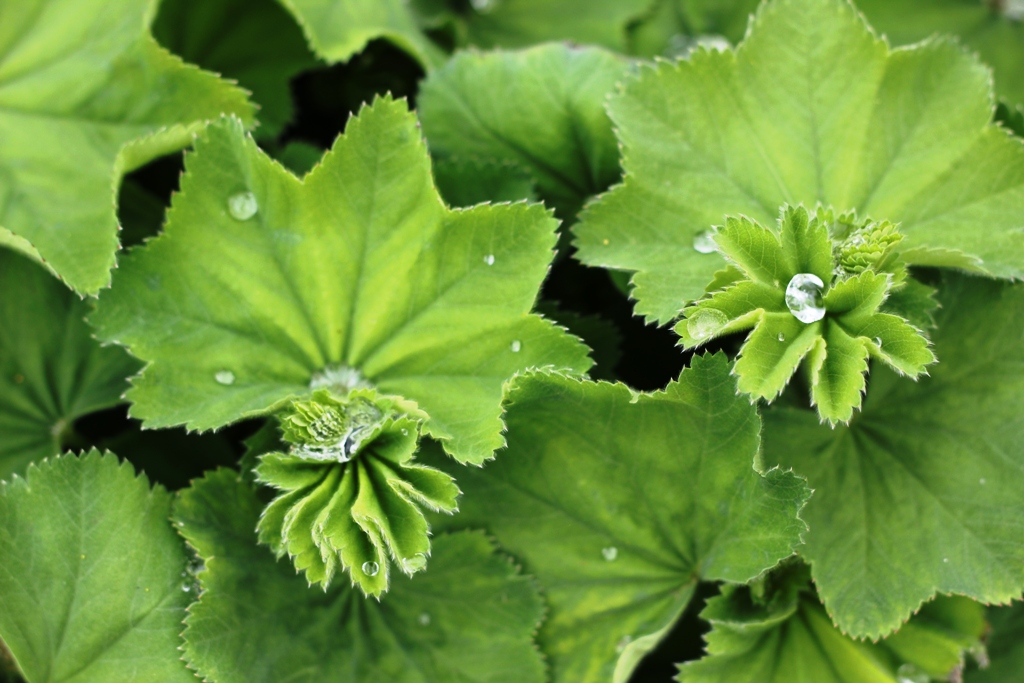
Growing women's mantle

Broad beans in the making

Poppy's in the making

Blooming Columbines

Strawberries in the making

Gooseberries in the making


Thursday, 11 April 2013

Albino rhubarb

We started a small experiment in our garden. We own three rhubarb plants, which showed their first red signs already in February. From that moment on, we hid one plant under a large old pot, so the plant is completely isolated and blocked for light. The pot created a dark and warm little micro climate for the rhubarb. We read about this method in an old vegetable garden book; it forces the growing process and it also makes the rhubarb whiter and therefore less sour (like we do with chicory to make it less bitter).

I couldn't wait to take a little peek underneath the pot. Now let us present to you the result after two months:

The 'normal' one

The covered one

These pictures are made at the same time, and reveal a clear contrast between the hidden, lighter and larger rhubarb, and the other plant that was exposed to sun and cold weather. What a difference! And what great colours! This experiment directly shows the impact of warmth on the growing speed of plants, and the influence of sunbeams on their colours (or chlorophyll level). Pretty awesome.
Stay tuned for the next experiment in which we will test the difference in texture and taste of our two rhubarb plants.

Tuesday, 2 April 2013

Natural delay

4th month minus 2 degrees equals 1,5 month delay. Spring is late this year.
The allotment gardens are quiet, plants are developing slowly, only a few spring flowers are peaking above the ground; even the weeds bowed out. We are not really sure what to do with our sowing plan, since everything is one and a half month behind. At the moment we're acting like it is the beginning of March.

February had a few warm days which made our hands itch for some earth and greens. So we soaked our first vegetable seeds in some water for a day to enhance the germination process. The peas we have can be planted in mid-February, and also green beans are known for their early growth and resistance against some frost.


However, warm weather and itchy green fingers in February can be very tricky, since temperatures below zero are still highly possible in this month, which can kill fresh young plants easily. And indeed, the beautiful days were followed by very cold weeks that persisted until now. Gladly we kept our peas and beans safely inside to strengthen.


In the past weeks the peas had grown so high, they had to go outside. And finally, at the beginning of April came the first reasonable days again. Time to plant!

Next to this we sowed red scallion, cavalo nero, spinach, lettuce, radishes, which are normally ones that can be sowed already in March. We are curious what this natural delay will cause for this growing year.